If you are part of the NDIS or planning to join, you may hear the terms registered and unregistered NDIS service providers. Both types can help you with your NDIS plan, but they are different in how they work, the rules they follow, and who can use their services. Registered providers are approved by the NDIS and follow strict standards, while unregistered providers are more flexible but not officially registered.
In this blog, we will explain the differences, how each works, and which one might suit your needs, using very simple and easy-to-understand language.
What Is an NDIS Service Provider?
An NDIS service provider is a person, company, or organisation that gives support and services to NDIS participants. These services can include personal care, community access, cleaning and household tasks, transport, support coordination, therapy services like physiotherapy or speech therapy, and nursing or health support. NDIS providers help people with disabilities live more independently and enjoy a better life.
But not all providers are the same. Some are registered with the NDIS, while others are unregistered. Let’s look at what that means.
What Is a Registered NDIS Service Provider?
A registered NDIS service provider is approved by the NDIS Quality and Safeguards Commission. This means they have met certain quality, safety, and management standards set by the government.
To become registered, providers must go through a full process that includes:
- Background checks
- Worker screening
- Showing that their staff are trained and qualified
- Following NDIS rules and reporting systems
- Regular audits to maintain quality
When a provider becomes registered, they can deliver services to NDIS-managed participants, meaning people whose NDIS funds are managed by the NDIA (National Disability Insurance Agency).
Simply put, registered providers are officially checked and approved by the NDIS.
What Is an Unregistered NDIS Service Provider?
An unregistered NDIS service provider is not officially registered with the NDIS Commission. However, that doesn’t mean they are bad or unsafe.
Many unregistered providers are small local businesses or independent support workers who prefer not to go through the registration process. They can still give great support and often offer flexible services that suit your personal needs.
Unregistered providers can work with people who:
- Manage their own NDIS plan, or
- Have their plan managed by a plan manager.
If your funds are managed directly by the NDIA, you can only use registered providers. But if you self-manage or use a plan manager, you can choose anyone, whether registered or not.
Main Differences Between Registered and Unregistered Providers
Let’s look at some simple differences between the two types of providers.
1. Approval and Rules
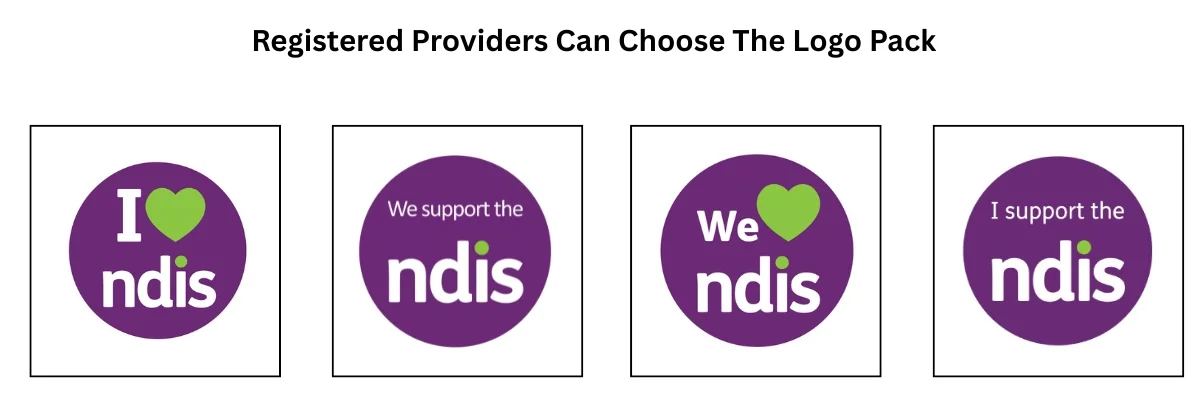
- Registered providers are approved by the NDIS Commission. Only registered providers are allowed to use the official NDIS logo to show they meet NDIS standards.
- Unregistered providers are not officially approved by the Commission.
2. Who They Can Work With
- Registered providers can work with all NDIS participants — including NDIA-managed, plan-managed, and self-managed.
- Unregistered providers can only work with plan-managed or self-managed participants.
3. Standards and Audits
- Registered providers must follow strict NDIS quality and safety rules.
- Unregistered providers don’t go through the same audits, but they should still offer good-quality care.
4. Flexibility
- Registered providers often have more structured services and rules to follow.
- Unregistered providers may be more flexible and can adjust services quickly.
5. Pricing
- Registered providers must follow NDIS price limits.
- Unregistered providers can set their own prices, which can be higher or lower depending on the service.
Benefits of Choosing a Registered NDIS Provider
Working with a registered provider gives you peace of mind. Here are some of the main advantages:
1. Trust and Safety
Registered providers go through official checks before being approved. They must follow strict rules to keep participants safe. You can trust that their staff have proper training and background checks.
2. Government Approval
Because they are approved by the NDIS Commission, you know they meet national standards. This means they’re reliable, professional, and accountable.
3. Access for All Participants
Registered providers can support every type of NDIS participant, including those whose funds are NDIA-managed. So, they offer services to everyone under the scheme.
4. Complaints and Protection
If something goes wrong, you can make a complaint directly to the NDIS Commission. They can help solve problems or handle serious issues like poor service or mistreatment.
5. Quality Checks
Registered providers must go through regular quality audits.
This helps ensure they maintain high standards over time.
Benefits of Choosing an Unregistered NDIS Provider
Unregistered providers are also popular for many reasons.
Let’s see why some participants prefer them.
1. More Flexibility
Unregistered providers often have fewer rules, which allows them to adjust their support to your needs. They can easily change service times, activities, or support types without much paperwork.
2. Personal Connection
Many unregistered providers are small local workers or community groups. You might get more personal attention and feel closer to the people helping you.
3. Competitive Pricing
They can set their own prices. Some may charge less than the NDIS rate, which can help you make your budget last longer.
4. Faster Service
Since they don’t go through as much administration, you might get help faster. You can contact them directly and start support quickly.
Possible Risks of Using Unregistered Providers
Even though unregistered providers can be great, there are some risks to keep in mind.
1. No Official Oversight
Unregistered providers don’t have to report to the NDIS Commission, so the government doesn’t check their quality.
2. Limited Complaint Support
If something goes wrong, you cannot always ask the NDIS Commission to step in. You’ll have to handle complaints directly with the provider.
3. No Worker Screening Requirement
While many unregistered providers still check their staff, it’s not required by the NDIS. That’s why you should always ask about background checks before hiring anyone.
4. Inconsistent Standards
Since they are not audited, service quality can vary from one provider to another.
When to Choose a Registered NDIS Provider
Choosing a registered provider might be best if you:
- Are NDIA-managed (you can only use registered providers)
- Want guaranteed quality and safety
- Need services that involve health care, medication, or nursing
- Prefer working with a large, professional organisation
- Want access to complaint systems and official protections
If these points sound like what you need, a registered provider will likely be the better choice.
When to Choose an Unregistered NDIS Provider
You might prefer an unregistered provider if you:
- Are self-managed or plan-managed
- Want more flexibility and choice
- Prefer a more personal, one-on-one approach
- Want to support small local workers or community groups
- Need services that can change quickly, like casual support or social outings
If you like having control and enjoy direct contact with your support workers, an unregistered provider could suit you.
Can You Use Both Registered and Unregistered Providers?
Yes, you can.
Many participants choose to mix both.
For example:
- You might use a registered provider for your main care services or therapy.
- You might use an unregistered provider for transport or social support.
- This approach gives you the best of both worlds, safety and flexibility.
How to Find a Good NDIS Service Provider
No matter which type you choose, the goal is to find a provider that truly supports your goals and makes your life easier. Here are a few simple steps to help:
- Ask Questions: Don’t be shy. Ask about their experience, services, and how they handle emergencies.
- Check Reviews: Look online or ask other participants about their experiences.
- Meet Them First: Have a short meeting or phone chat before you decide.
- See if You Feel Comfortable: You should feel safe, respected, and heard.
- Look at Their Values: Make sure their values match yours.
- Start Small: Try a short service before committing long-term.
What About Quality and Safety?
Both registered and unregistered providers should give safe, respectful, and high-quality support. Even if a provider isn’t registered, they still have a duty of care.
Here’s what you can do to stay safe:
- Always ask if staff have police or NDIS worker checks.
- Ask for references or reviews.
- Keep a record of your communication.
- If you feel unsafe, stop services immediately and report the issue.
- Remember, it’s your right to receive quality care that meets your needs.
The Role of Plan Management
If you’re not sure how to manage your NDIS funds, you can use a plan manager. A plan manager helps you pay providers, keep track of your budget, and follow NDIS rules.
The best part is, when you use Plan Management, you can choose both NDIS registered and unregistered providers. That means more options and flexibility for you to get the support that suits your needs best.
Common Myths About NDIS Providers
Let’s clear up a few common myths:
Myth 1: Unregistered providers are unsafe.
→ Not true. Many are excellent; they just choose not to register.
Myth 2: Registered providers are always better.
→ Not always. It depends on what type of support you need.
Myth 3: You can’t switch providers.
→ You can change anytime if you’re unhappy.
Myth 4: Only big companies can register.
→ Small providers can register too if they meet the standards.
Understanding these facts will help you make smarter choices.
Which One Is Better for You?
There’s no single right answer. The best provider for you depends on your needs, goals, and how you manage your plan.
Here’s a quick way to decide:
| Situation | Best Option |
|---|---|
| NDIA-managed participant | Registered provider |
| Plan-managed participant | Either type |
| Self-managed participant | Either type |
| Want strict safety and quality checks | Registered provider |
| Want flexible, personal, or cheaper services | Unregistered provider |
Think about what matters most, safety, flexibility, or personal connection, and choose based on that.
Final Thoughts
Both registered and unregistered NDIS service providers play an important role in helping people with disabilities live better lives.
If you want full safety, structure, and government-approved services, a registered provider might be your best choice. Virtuous Care Services is a registered NDIS service provider that delivers high-quality, reliable support to help you achieve your goals.
If you prefer flexibility, freedom, and a personal connection, you might go with an unregistered provider. No matter what you choose, always look for care, respect, and honesty. The most important thing is that your provider helps you achieve your goals and makes your daily life easier.
Your NDIS plan is about you, your needs, your comfort, and your future.
