
Finding the right home and support under the NDIS can be confusing. There are many terms, rules, and types of funding, and it is not always clear what each one means. Three of the most common types of NDIS-supported accommodation are Supported Independent Living (SIL), Short-Term Accommodation (STA), and Medium-Term Accommodation (MTA).
All three are part of “home and living” supports, but each serves a different purpose. Choosing the wrong type can leave you feeling stressed, unsupported, or stuck in a place that does not fit your needs. Choosing the right one, however, can make life safer, calmer, and help you live more independently.
In this blog, we will explain each option in simple words and help you answer an important question: which type of NDIS-supported accommodation, SIL, STA, or MTA, is right for you?
What is NDIS-supported accommodation?
NDIS-supported accommodation is a group of supports that help you live in the community with the right level of help. It is not just about a house. It is about how you live day to day.
NDIS-supported accommodation can give you:
- Support workers to help with daily tasks
- A safe place to stay in the short or medium term
- A chance to build independence and life skills
- A break for you and your family or carers
SIL, STA and MTA are three different ways the NDIS can fund this help.
Think of them like this:
- SIL: long-term, ongoing support in your home
- STA: short stay away from home, including respite
- MTA: temporary place to live while you wait for your long-term home
Each has its own purpose. Let’s look at them one by one.
What Is Supported Independent Living (SIL)?
Supported Independent Living (SIL) constitutes continuous and structured support designed to enable individuals to reside as autonomously as possible, either in their own residence or within a shared living environment.
SIL primarily pertains to the provision of professional support personnel, rather than the physical premises. It encompasses the allocation of staff time necessary to facilitate activities of daily living, ensure personal safety, and promote independence.

Who Is SIL For?
SIL is generally suited for individuals who:
- Possess complex support needs requiring consistent assistance
- Require daily interventions for personal care, meal preparation, medication management, or behavioural support
- May necessitate overnight supervision or monitoring to maintain safety
- Would encounter significant challenges living independently without structured and ongoing support
Individuals whose disabilities necessitate hands-on assistance throughout the day, and often during the night, may benefit substantially from SIL, as it provides a comprehensive framework for maintaining independence, safety, and a structured daily routine.
What Type of Support Does SIL Include?
Supported Independent Living (SIL) can include help with many parts of daily life, depending on your needs and SIL funding in your NDIS plan.
SIL can include support with:
- Personal care, like showering, dressing, and grooming
- Preparing meals and cooking safely
- Cleaning, laundry, and keeping the home safe
- Taking medication at the right time
- Going to appointments, programs, or work
- Building life skills, such as budgeting, planning, or cooking
- Support overnight, either through sleepovers or active night shifts
The key idea is that staff are there regularly, not just popping in for a few minutes. Your SIL funding ensures that the right level of support is available every day.
Where Can SIL Be Used?
SIL can be provided in different accommodation options, including:
- A shared home with other NDIS participants
- Your own rental
- Your family home (in some cases)
- Specialist Disability Accommodation (SDA), if you have SDA funding
You do not have to live in a large group home for SIL. Many providers now offer smaller, more homely living arrangements, tailored to your needs and SIL funding.
Benefits of SIL
SIL can:
- Give you a stable, long-term home
- Help you build skills and confidence
- Provide routine and structure in your daily life
- Offer social connection if you live with housemates
- Give your family peace of mind that you are safe
Who Might Need SIL?
You might need SIL if:
- You need support most days and nights
- You want to live more independently, but still need ongoing help
- Your family or informal supports cannot safely meet your needs on their own
SIL funding helps make this possible by ensuring you have access to the right support services to live safely and confidently.
What Is Short-Term Accommodation (STA)?
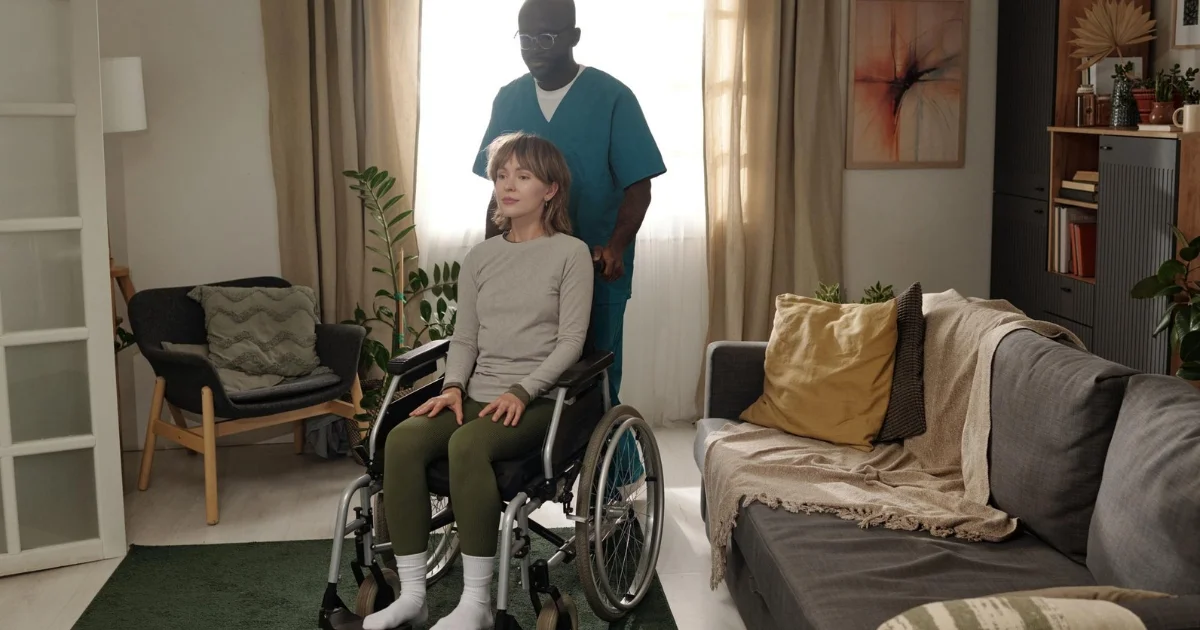
Short-Term Accommodation (STA) is a short stay away from your usual home. It used to be called “respite,” and many people still use that word. STA is a type of housing support designed to give you a safe, supported place for a short period.
STA helps with daily life and gives your family or carers a break from their caring role. It is part of the NDIS disability supports that focus on giving you the right level of support when you need it.
Who Is STA For?
STA can be helpful if you:
- Want some time away from your family home
- Want to try living more independently for a few days
- Have family or carers who are tired, unwell, or need time to rest
- Want to build confidence in a new environment
STA is not meant to be a long-term home. It is more like a mini-holiday with support services and safe accommodation.
What Does STA Usually Include?
Most STA accommodation options include:
- A furnished place to stay
- Support workers to help with daily life
- Cooked meals or support with cooking
- Activities at home or in the community
Some STA homes feel like a regular house, while others may feel more like a small retreat or cottage.
How Long Can You Stay in STA?
The NDIS usually funds STA for short blocks of time, such as:
- A weekend
- A few days in a row
Your plan might include several days per year that you can use flexibly. The level of support will depend on your individual needs and NDIS plan.
Benefits of STA
STA can:
- Give you a change of environment and routine
- Help you try new activities and meet new people
- Give your family or carers time to rest, travel, or manage their own needs
Help you test what it feels like to live away from home before moving into Supported Independent Living (SIL) or another long-term accommodation option
Who Might Need STA?
You might need STA if:
- You mainly live with your family or informal supports
- You do not need full-time supported housing, but you do need short breaks
- You want to slowly build confidence before moving into SIL or another long-term option
What Is Medium-Term Accommodation (MTA)?
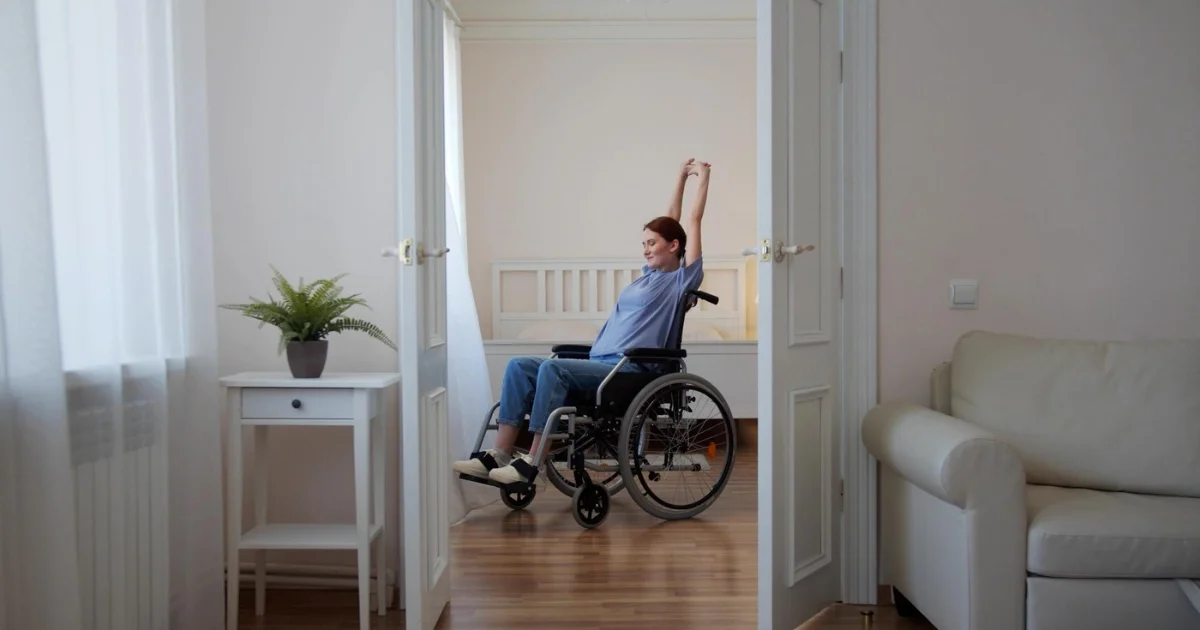
Medium-Term Accommodation (MTA) is temporary housing for people who already have a long-term housing plan arranged but cannot move into it yet. MTA acts as a bridge – a safe, temporary place while waiting for your permanent home.
MTA is part of the NDIS housing support and disability supports, giving you the right level of support while you adjust to a new routine.
Who Is MTA For?
MTA might be right for you if:
- You have been approved for Specialist Disability Accommodation (SDA), but your new SDA home is not ready yet
- You are leaving the hospital, rehab, or aged care, but your long-term home is still being prepared
- Your current home is unsafe or unsuitable, and your new option is not ready yet
The key point is that MTA is not a permanent home. It is meant to support your daily life while you wait for your long-term accommodation option.
What Does MTA Cover?
MTA usually covers the cost of the housing itself – the place you stay. It does not normally cover:
- Day-to-day living costs like food or personal items
- Regular bills like phone or streaming services
- Support workers – these are funded separately if needed
However, you can still receive SIL or other paid support services while staying in MTA. These come from a different part of your NDIS plan.
How Long Can You Stay in MTA?
The NDIS usually funds MTA until your long-term housing solution is ready. Sometimes funding can be extended if there is a clear reason and evidence. This is usually enough time to make your permanent home ready and fully accessible.
Benefits of MTA
MTA can:
- Stop you from staying in the hospital or aged care longer than needed
- Give you a safe, accessible place to live while you wait
- Reduce stress for you and your family during big life changes
Help you slowly adjust to a new routine, especially if your future home is very different from your current one
Who Might Need MTA?
You might need MTA if:
- You already know where you will live long-term
- There is a delay before you can move in
- You need somewhere safe and suitable during that waiting period
SIL vs STA vs MTA: What’s the Difference?
It can help to compare all three on a few simple points.
| Category | SIL (Supported Independent Living) | STA (Short-Term Accommodation) | MTA (Medium-Term Accommodation) |
|---|---|---|---|
| Purpose | Daily support in your home so you can live more independently for a long time. | A short break from your usual home, often used as respite. | Temporary housing while you wait for your long-term home to be ready. |
| Time Frame | Long-term or ongoing, often for many years. | Short stays, usually a few days or up to two weeks. | Medium-term stay, usually up to around three months. |
| What Is Funded? | Support workers and daily help (not rent or the house itself). | A full package: a place to stay, support, and sometimes meals and activities. | Cost of temporary housing. Support workers and daily living costs are funded separately. |
| Typical Situations | Your everyday life: the home you live in and the support you get every day to manage life. | Your short break: time to rest, recharge, and try something different. | Your stepping stone: a safe place while waiting for your long-term home. |
Extra Types of NDIS Accommodation
Here are more types of NDIS living supports that people often forget:
1. Independent Living Options (ILO)
Personalised living support where you design your own setup.
2. Specialist Disability Accommodation (SDA)
High-level housing for people with extreme functional needs.
3. Drop-In Support
Support workers visit your home only when needed.
4. Host Living / Shared Lives
You live with a host family that provides support.
5. Youth Transitional Homes
For young people learning independence.
How Do You Know Which One You Need?
Choosing between SIL, STA and MTA is not always easy. Here are some simple questions to guide you.
-
Do you need ongoing daily support where you live?
Consider the following questions in consultation with your family or support network:
- Do I necessitate daily assistance with personal care, nutritional preparation, medication administration, or behavioural management?
- Do I require proximal overnight supervision to ensure safety and mitigate risk?
- Would my safety or well-being be compromised if I resided entirely independently without consistent support?
If your response is affirmative to these inquiries, Supported Independent Living (SIL) may constitute the primary support modality required to maintain autonomy and safety.
Conversely, if you predominantly function with episodic or intermittent support visits, SIL may not be immediately necessary.
2. Are you looking for a short break or respite?
Think about:
- Do I desire a temporary change of environment for a brief duration?
- Are my family members or carers experiencing fatigue or stress, necessitating relief?
- Do I wish to trial living away from home without committing to a permanent arrangement?
If these conditions apply, Short-Term Accommodation (STA) may be the appropriate support mechanism. STA provides a safe and structured respite, allowing temporary relief without altering your long-term living arrangements.
3. Do you already have a long-term home lined up?
Ask:
- Have I been approved for SDA and am waiting for it to be built or become available?
- Am I leaving the hospital, rehab or aged care soon and waiting for another housing option to be ready?
- Have we found a long-term home, but it won’t be available for a few months?
If yes, and you need a safe place to stay only while you wait, MTA may be what you need.
4. What does your NDIS plan and evidence say?
The NDIS will look at:
- Reports from occupational therapists, psychologists, doctors and other professionals
- Your goals and what you want from your home life
- Your current living situation and whether it is safe and sustainable
Sometimes you might feel you need SIL or MTA, but the NDIS will only fund it if the evidence shows it is “reasonable and necessary”.
This is why it is important to talk with your:
- Support Coordinator
- Local Area Coordinator (LAC)
- Planner
- Or a trusted provider who understands home and living supports
They can help you build the right evidence and explain your situation clearly.
Why Choosing the Right Provider Matters
Whether you are using SIL, STA or MTA, your experience will depend heavily on the provider you choose.
A provider is not just a company name on paper. It is the people who will:
- Come into your home
- Support you with personal care
- Handle your medication
- Work with your family and other professionals
- Respond if something goes wrong
A good provider will:
- Treat you with respect and dignity
- Listen to your goals and preferences
- Communicate clearly with you and your family
- Keep you safe and respond well to problems
- Be transparent about costs, policies and what is included
When choosing a provider, you might also need to decide whether to go with a registered or unregistered NDIS provider. Both can offer SIL, STA or MTA in many cases, and there are pros and cons to each in terms of flexibility, price, and oversight.
To help with that decision, it’s a good idea to read the related blog ‘Registered NDIS Service Provider vs Unregistered: What’s Better for You?’ where these differences are explained in detail.

Questions to Ask Before You Decide
Here are some helpful questions you might ask when talking to a SIL, STA or MTA provider:
- What type of accommodation do you offer – SIL, STA, MTA or a mix?
- How many people live in each house or setting?
- How do you match housemates?
- Can I visit the house or respite centre before I decide?
- What does a usual day look like here?
- What kinds of activities do you offer?
- What is included in the price, and what do I have to pay for myself?
- How do you handle complaints or issues?
- How do you communicate with families, guardians or support coordinators?
- Are you a registered NDIS provider, unregistered, or both?
The answers can tell you a lot about whether they are the right fit for you.
How to Ask the NDIS for SIL, STA or MTA
If you think you need one of these supports, here are simple steps you can take.
Step 1: Talk to your Support Coordinator or LAC
Explain what is happening now:
- Are you struggling at home?
- Are your carers exhausted?
- Are you stuck in a hospital, rehab or aged care when you don’t need to be?
Be honest. The NDIS needs to understand the real picture.
Step 2: Gather evidence
Ask your support team to help you get reports from:
- Occupational therapists
- Psychologists or psychiatrists (if relevant)
- Doctors and specialists
- Other professionals who know you well
These reports should clearly show:
- What you can do on your own
- What do you need help with
- Any risks if you don’t get this support
- How SIL, STA or MTA will help you reach your goals
Step 3: Plan a meeting or review
At your planning or review meeting, tell your planner or LAC:
- What type of support do you think you need (SIL, STA, MTA, or a mix)
- Why your current living situation is not working
- What your goals are (for example, moving out of the family home, leaving the hospital, giving your carers a break, living more independently)
Step 4: Ask questions and write things down
Don’t be afraid to ask:
- What happens next?
- What evidence is still needed?
- When will I know the outcome?
Write down what is said so you can remember it later.
Final Thoughts
Finding the right type of NDIS-supported accommodation doesn’t have to be confusing. Whether you choose SIL for daily support, STA for short-term respite, or MTA while waiting for a long-term home, the right choice can make life easier, safer, and more independent.
Sometimes, you may use more than one type at different stages. For example, you might start with STA, then move to SIL, and later stay in MTA while waiting for your permanent home.
Virtuous Care Services provides all types of NDIS-supported accommodation to suit your needs. Our experienced team is here to guide you, support you, and make sure you have a safe, comfortable, and independent living experience every step of the way.
